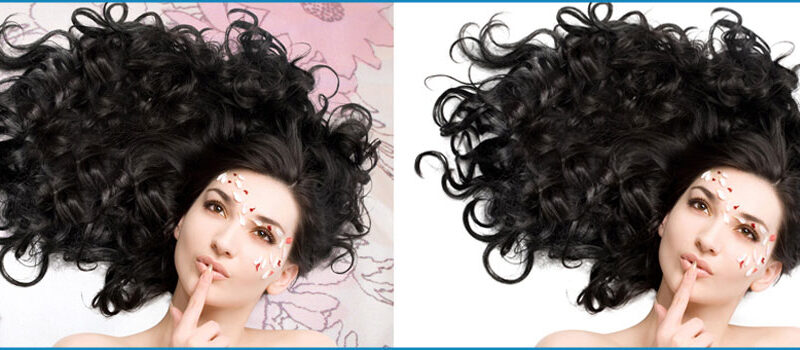

Images are a powerful tool to help businesses and individuals convey their message and enhance their visual content. At times, the backdrop of an image may be undesirable or diverting to the viewer's attention. Image masking is a technique that can be used in such situations. Image masking is a technique used to remove the location of an image, allowing you to create stunning visuals for various applications. This blog will cover the fundamental concepts of image masking, its various forms, and how it can be used to improve the quality of your images.
What is Image Masking?

Image masking is a technique that involves deleting the background of an image while keeping the main subject or object in the foreground intact. This technique is often used in graphic design, advertising, and photography to create visually appealing photos.
Types of Image Masking:
Layer Masking:

Layer masking is a basic form of image masking, which involves using a layer mask to hide or reveal portions of an image. Image masking is often carried out using Photoshop, and it enables you to hide or reveal specific parts of an image through the use of a brush tool.
Alpha Channel Masking:

Alpha channel masking is a more advanced form of image masking, which involves creating an alpha channel to define the transparency of an image. This technique is commonly used for complex ideas, such as those with hair or fur, where layer masking would be too time-consuming and inefficient.
Transparency Masking:

Transparency masking is a technique used to create transparency within an image. This is often used in product photography to remove the background of an image and create a transparent print that can be used on a website or other digital platform.
Collage Masking:

Collage masking is a technique used to create a collage of multiple images. This involves combining various photos into a single image and then masking the unwanted parts of each print to create a seamless collage.
Uses of Image Masking:
Product Photography:
Image masking is often used in product photography to remove the background of an image and create a transparent print that can be used on a website or other digital platform. This allows businesses to showcase their products in a more visually appealing way.
Graphic Design:
Image masking is commonly used in graphic design to create stunning visuals for advertising campaigns, social media, and other marketing materials. This technique allows designers to create unique designs by removing unwanted background elements and highlighting the subject or object in the foreground.
Photography:
Photographers often use image masking to enhance the visual appeal of their pictures. This technique allows photographers to remove distracting background elements and focus on the subject or object in the foreground.
Conclusion:
Image masking is an effective method that enables the deletion of an image's backdrop while maintaining the main subject or object in the foreground. It is widely utilized in a variety of fields, such as product photography, graphic design, and photography. By understanding the basics of image masking and its different types, you can enhance your visual content and create stunning visuals that will capture your audience's attention.
FAQ: [ Image Masking ]
Q.1: Is image masking only used for removing backgrounds from images?
Ans: No, while removing the background of an image is an everyday use of image masking, it can also be used to create transparency within an image, create collages, and selectively hide or reveal portions of an image.
Q.2: Which type of image masking is best for complex images with hair or fur?
Ans: Alpha channel masking is the best type of image masking for complex images with hair or fur, as it allows for more precise and efficient removal of the background.
Q.3: Can image masking be used on all types of images?
Ans: Image masking can be used on most images, but it may only be suitable for some photos. For example, images with intricate details or fine lines may require more advanced techniques or manual editing. It is recommended to seek advice from an expert to determine the most suitable approach for your image as different images may require different masking techniques.


0 Comments